Irish Pub NYC Atmosphere: Tradition, Warmth, and Fun
New York has never had trouble borrowing from the rest of the world and making the result feel local. That is especially true of the Irish pub. A good Irish Pub NYC regulars swear by is not simply a place with Guinness on tap, dark wood on the walls, and a shamrock somewhere near the door. It is a room with a pulse. It knows how to welcome a solo customer at 4:30 on a rainy Tuesday, a group of office workers spilling in at 6:15, and a birthday crowd looking for music at 10. The best ones feel lived in rather than staged.
That atmosphere is harder to build than many people realize. Plenty of bars can copy the surface details. They can import a polished back bar, hang old framed prints, and stack shelves with whiskey. What they cannot fake for long is the feeling that the room has memory. In New York, where space is costly and trends turn over fast, that kind of permanence carries real weight. It explains why certain Irish pubs become landmarks for their neighborhoods while others remain just another themed stop.
The attraction of an Irish pub in New York is partly cultural, partly practical, and largely emotional. People go there to talk, watch a match, hear live music, mark family events, or simply sit somewhere that does not demand performance. In a city that can feel transactional, the pub offers something softer. It allows for lingering. It forgives a rough day. It encourages conversation between people who did not arrive together.
What people really mean by atmosphere
When people say a pub has atmosphere, they usually mean several things at once. They are talking about design, yes, but also sound, pacing, hospitality, and the subtle signals that tell a guest whether to settle in or move on. The strongest Irish pubs in New York understand that atmosphere is cumulative. It comes from dozens of choices, many of them small.
Lighting matters more than almost anything else. A room that is too bright loses intimacy. A room that is too dark feels self-conscious. Good pub lighting tends to sit in that middle register where faces look warm, wood picks up depth, and every table feels private without becoming isolated. During the day, windows do a different kind of work. They connect the pub to the city outside, which is part of the pleasure in New York. Watching a wet avenue glisten while holding a pint in a snug booth is a distinct urban luxury.
Sound is just as decisive. In a well-run pub, music supports conversation rather than swallowing it. The staff know when to let traditional tunes lead the room and when to keep things low enough for a proper catch-up. Sports add another layer. A pub can handle a live Premier League morning crowd and still transition into a relaxed afternoon service, but only if the room is balanced correctly. Too many screens and the place turns into a sports bar. Too little energy and it loses that communal spark that makes match days memorable.
Then there is the less visible part, the rhythm of service. Guests notice it even if they never name it. A bartender who remembers what someone drinks. A server who gives a table time to settle before asking for orders. A manager who can read when a party wants celebration and when a solo guest wants quiet. These are not decorative flourishes. They are the mechanics of warmth.
The role of tradition, and the danger of overdoing it
Tradition is central to the identity of the Irish pub, but New York rewards interpretation more than strict imitation. The strongest venues respect the roots of the pub without turning them into costume. That means real craftsmanship in the room, dependable pours, straightforward hospitality, and a social energy that feels democratic. It does not require every wall to be crowded with nostalgic clutter.
There is a difference between authenticity and excess. A pub lined with too many props can feel like a movie set trying to convince you of its Irishness. By contrast, a room with worn timber, sensible layout, a proper bar rail, and a few honest signs of age often feels more convincing. Guests respond to restraint. They trust places that do not seem to be trying too hard.
New York also brings its own layer to the equation. An Irish pub here often serves a mixed crowd that includes longtime neighborhood regulars, recent arrivals from Ireland, tourists, after-work professionals, and younger guests who discovered the place through friends rather than family tradition. That blend changes the atmosphere in useful ways. It keeps the pub from becoming a museum piece. It also means the staff need strong instincts. A room with that many different expectations can tip into chaos if the house lacks discipline.
Food plays a surprisingly important role in this balance. Not every Irish pub needs a broad menu, but the food should support the mood of the place. A bowl of stew, a shepherd's pie, fish and chips, a reliable burger, brown bread if the kitchen does it well, these anchor the experience. They give people a reason to stay through a second drink or come in earlier than planned. In New York, where people often build a whole evening around one location, that matters.
Warmth is designed, but it is also staffed
Many operators focus on interiors because interiors photograph well. Yet anyone who has spent time in great pubs knows that the feeling people remember often comes from the staff. Hospitality in an Irish pub has a particular texture. It is attentive without becoming formal, familiar without becoming intrusive. The best bartenders can chat when invited, leave space when needed, and keep the bar moving without making anyone feel rushed.
I have seen two pubs with nearly identical aesthetics produce entirely different nights because of staffing alone. In one, the room looked perfect on paper, polished mahogany, nice glassware, traditional music in the background, but the welcome was flat and the timing awkward. Drinks landed slowly, nobody seemed to know who was handling which tables, and the room felt colder by the minute. In the other, the furniture was less impressive, the corners more worn, but the bartender greeted newcomers within seconds and regulars by name. By the end of the evening, the second place felt richer in every way that counts.
Warmth also comes from confidence. Guests can sense when a staff is comfortable in its own skin. That confidence shows up in simple moments, how they handle a crowded bar after work, how they respond when someone asks for a whiskey recommendation, how they reset the room between lunch and dinner, how they manage the surge before a live music set. The tone starts with leadership, but it is expressed table by table.
A useful way to think about it is this:
- design draws people in
- service persuades them to stay
- consistency turns them into regulars
- community gives the place its reputation
That last point is the hardest to manufacture. Community cannot be installed during a renovation. It grows from repeated good nights.
Why New York is such fertile ground for the Irish pub
The city is almost built for pubs. New Yorkers value places that can play more than one role in a week. A room that works for lunch meetings, after-work pints, family gatherings, first dates, and late-night songs has a major advantage. The Irish pub, at its best, handles these transitions naturally.
Part of the appeal is architectural. New York has many narrow, deep spaces that suit pub layouts well. A strong bar at the front creates immediate energy. Booths and tables stretching deeper into the room offer variety. Back dining rooms or upstairs spaces can host private events without draining the main floor of life. Even the city noise outside helps. Step into a warm pub from a cold Midtown block or a windy corner downtown, and the contrast does half the work.
Another reason is emotional. New York is a city of movement. People arrive from elsewhere, work long hours, and often seek places that provide familiarity without demanding too much. The pub has always excelled at this. It gives a sense of belonging quickly. You do not need to know the room's history to feel at ease there. One well-poured pint, a bit of conversation at the bar, and the city loosens its grip for an hour.
The keyword many businesses chase is "experience," but in this context the real value is steadiness. Guests want to know that the pub they loved three months ago will still deliver the same comfort tonight. That reliability is especially prized in Manhattan and Brooklyn, where neighborhoods can shift rapidly and favorite spots disappear with little warning. A dependable Irish Pub NYC locals trust becomes more than a business. It becomes part of personal routine.
The visual language of comfort
A pub's look is not superficial. It shapes behavior. Rooms built around natural wood, textured surfaces, mirrors, and practical seating tend to encourage longer stays. Banquettes and booths help conversations feel contained. Bar stools set at the right height keep people at ease. Coats need somewhere sensible to go in winter. Pathways need to allow servers to move without colliding with guests every few minutes.
One common mistake in modern bar design is confusing minimalism with elegance. Minimal spaces can work beautifully for cocktail bars, wine bars, and all-day cafes. They rarely produce the layered comfort expected from an Irish pub. Pubs benefit from visual density, but not clutter. A little patina helps. So does a sense that objects in the room belong there for reasons beyond branding.
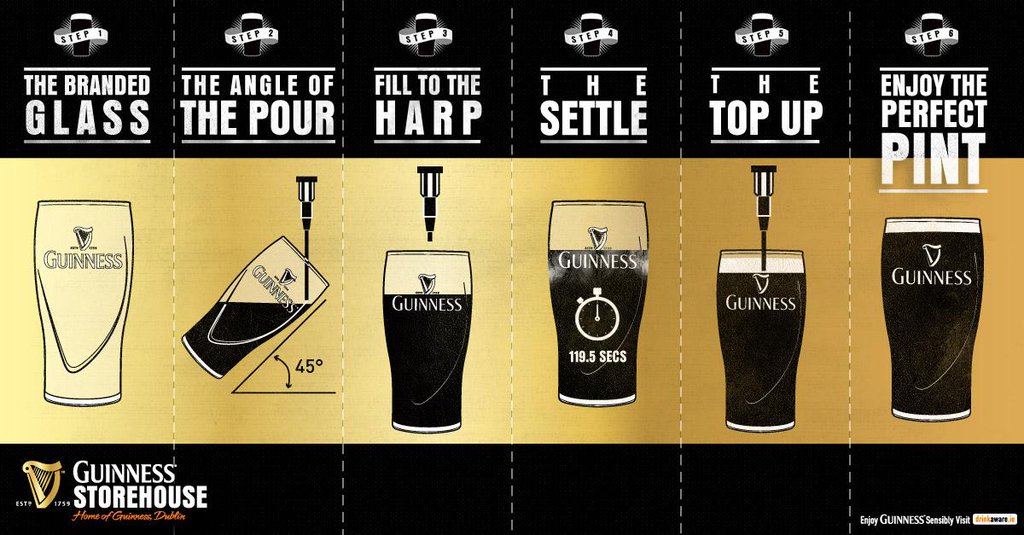
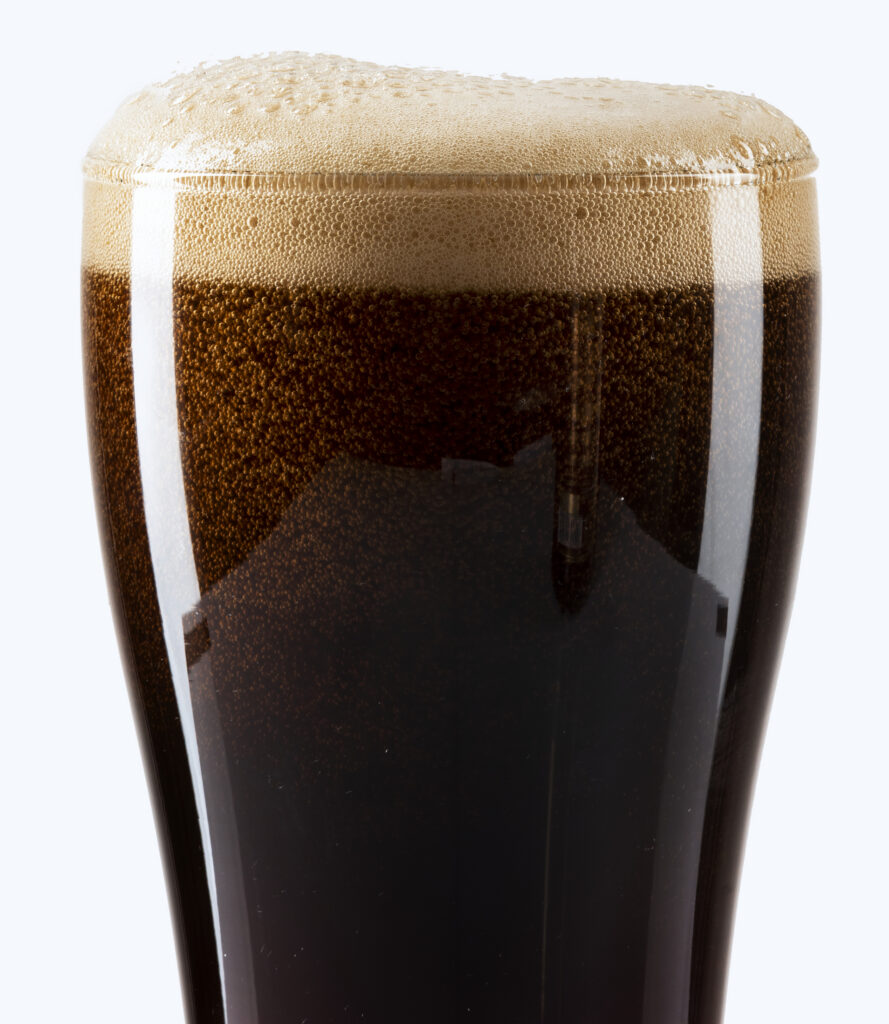
Glassware and bar presentation matter more than some operators admit. A stout served correctly in clean glass lands differently. Whiskey shelves arranged with care invite questions and conversations. Even the way menus are printed affects perception. Laminated sheets under bright light can cheapen an otherwise handsome room. Simple card stock with readable type often feels better aligned with the pub's values.
Smell is part of the package too. Freshly poured beer, polished wood, kitchen aromas from savory food, these are welcome. Harsh cleaning chemicals, fryer oil that has overstayed its useful life, or stale dampness will flatten even the most beautiful room. Atmosphere is multisensory. The guest does not separate these elements as neatly as the operator might.
Music, conversation, and the social contract
One of the most satisfying things about a proper Irish pub is the permission it gives people to talk. Not perform, not shout over a DJ, not pose for the room, just talk. That may sound simple, but it is increasingly rare. The pub remains one of the few urban spaces where conversation is still treated as the central entertainment.
Live music can deepen that rather than interrupt it if handled with care. Acoustic sessions, trad nights, folk duos, and the occasional rowdier singalong all have their place. The issue is scale. A small room with a fiddler and guitarist can feel electric. That same room with amplification pushed too hard becomes exhausting. Good operators know where the threshold lies.
There is also a timing question. Music works best when it follows the natural rise of the evening. Early service should leave room for meals and conversation. As the night develops, the tempo can lift. By then, guests want a little more collective energy. The room starts to feel less like many separate tables and more like a gathering.
Sports create a related but distinct form of togetherness. Morning football crowds, Six Nations weekends, major finals, these produce some of the strongest pub memories in the city. Strangers speak to each other. Cheers travel across the room. Orders come in fast and often. But there is a trade-off. If every hour is programmed around screens, the pub narrows its identity. The best venues understand that sports should be a feature, not the whole story.
What separates a memorable pub from a merely busy one
Busy is easy to misread. In New York, a crowded room can mean excellence, location advantage, aggressive promotion, or simply a short-term trend. A memorable pub has to deliver more than foot traffic. It has to maintain quality under pressure.
That starts at the bar. Beer quality hinges on basics, line cleaning, temperature control, proper glass care, and staff who know how to pour and present. None of this is glamorous, but guests notice the result immediately. A pint that lands with the right head and condition sets the tone for the whole visit.
The kitchen matters in similar ways. Pub food does not need to be elaborate, but it does need to be reliable. A shepherd's pie should arrive hot through the center. Fish batter should stay crisp. Fries should not sag after three minutes. If the room is built for lingering, the food has to support lingering. Sloppy execution shortens the stay.
A memorable pub also respects different modes of use. Some guests want the bar. Others need a booth for family catch-up. Some want a quick bowl of soup and one drink before heading home. Others are settling in for three hours. The room should absorb all of them without making any one group feel out of place.
Here are a few signs a pub has matured into its role:
- regulars mix comfortably with first-time visitors
- the soundtrack suits the hour
- food and drink arrive with dependable timing
- the room feels lively without feeling frantic
- people recommend it for different reasons, not just one
That range is important. A place known only for sports, only for late nights, or only for brunch may still succeed commercially, but it lacks the full flexibility that defines a great pub.
The emotional pull of familiarity
People often underestimate how much comfort lives in repetition. Returning to the same pub and finding the same warmth, the same sturdy stool, the same bartender nodding from down the bar, that can be deeply reassuring. It is not nostalgia in the sentimental sense. It is continuity. In a city that changes storefronts, rents, and routines at high speed, continuity feels luxurious.
This is one reason neighborhood Irish pubs hold such power. They become informal civic spaces. Residents mark time there. New jobs are toasted. Engagements are announced. Matches are mourned. Holidays gather steam. Wake receptions and christenings alike can pass through the same doors. Few hospitality formats can carry that range of emotion without strain. The pub can.
For many New Yorkers with Irish family ties, that emotional current has obvious roots. For many others, the attraction is simpler. The pub offers a form of welcome that feels unpretentious. Nobody has to dress for the room. Nobody has to decode the menu. The best pubs remove friction. That is a real service.
A good Irish Pub NYC visitors remember
For visitors, the Irish pub often becomes one of the most accessible versions of New York. Fine dining can be expensive and formal. Trend bars can feel opaque if you do not know the scene. Chain restaurants are forgettable almost by design. A good Irish Pub NYC visitors find by instinct or recommendation offers something better, a room with personality that still knows how to receive strangers.
This matters especially for travelers arriving alone or with mixed groups. Not everyone wants the same evening in New York. The pub solves for that. One person gets oysters or stew, another gets whiskey, another gets a burger and a local beer, someone else watches the game, and the whole party remains in one place. That flexibility is a quiet strength.
Visitors also remember sensory contrasts. Cold weather intensifies the experience. Come in from January wind, hear the lift of voices near the bar, catch the scent of food and stout, and the city suddenly feels friendlier. Summer brings a different mood, open windows, lighter pours, longer evenings, a little more spill between sidewalk and bar. The core atmosphere remains, but the expression changes with the season.
Fun is not accidental
The word "fun" can sound vague, but in hospitality it usually comes from timing, generosity, and release. People have fun in pubs when the house makes pleasure easy. Drinks arrive at the right pace. There is enough sound to create energy but not so much that people tire quickly. Staff seem engaged rather than burdened. Tables can laugh without feeling hushed. The room leaves space for spontaneity.
Fun also depends on boundaries. Overcrowding erodes it. So does aggressive upselling or a playlist that pushes the room into noise fatigue. Great pubs know when to lean in and when to hold back. They understand that not every night should feel like St. Patrick's Day. In fact, one mark of quality is that the place still feels good on an ordinary Wednesday.
There is a professional discipline behind that ease. Inventory needs to be right. Scheduling needs to match trading patterns. Door https://waylonwpsc250.cavandoragh.org/why-tourists-search-for-the-best-irish-pub-nyc-has-nearby policy, if there is one, must be firm without becoming hostile. Glasses need clearing. Bathrooms need regular attention. Music and television volume need active management. None of those details are glamorous, but they protect the mood guests come for.
Why the atmosphere endures
The enduring appeal of the Irish pub in New York comes down to a rare combination. It offers heritage without stiffness, sociability without pressure, and comfort without dullness. At its best, it is a place where tradition feels active rather than preserved under glass. The warmth is real because it is practiced. The fun is real because it grows from people, not gimmicks.
That is why certain pubs stay busy across decades and why people recommend them with unusual conviction. They are not chasing novelty. They are delivering a human need with consistency and style. A city as restless as New York will always have room for places that know how to slow time for an hour or two.
When an Irish pub gets the balance right, tradition in the bones, warmth in the service, and fun in the room, it becomes more than somewhere to drink. It becomes part of how people live in the city.
Hibernia Bar
401 W 50th St
New York, NY 10019, United States
Phone: +1 212-969-9703
FAQ About Irish Pub NYC
What is the best Irish pub in NYC?
The best choice depends on your location and preferred atmosphere. Hibernia Bar is a neighborhood Irish pub in Hell's Kitchen offering Guinness, Irish whiskey, pub food, and sports viewing.
Where do Irish people go in NYC?
New York's Irish community gathers in many neighborhoods and venues. Hibernia Bar welcomes Irish expats, local residents, and visitors at 401 W 50th St, just off Ninth Avenue.
Where can I watch GAA games in New York?
Hibernia Bar lists GAA among the sports it shows. Call +1 212-969-9703 to confirm coverage and opening times for a particular match before visiting.
What is the difference between a bar and a sports bar?
A sports bar emphasizes televised games and a shared viewing atmosphere. Hibernia combines sports viewing with the food, drinks, and hospitality of a neighborhood Irish pub.